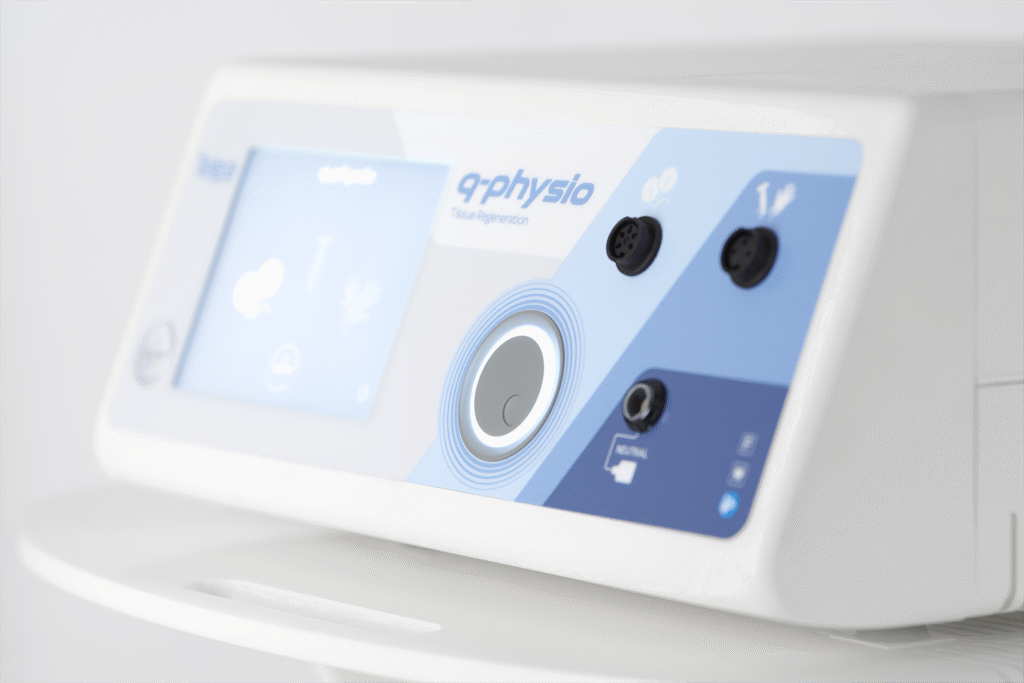

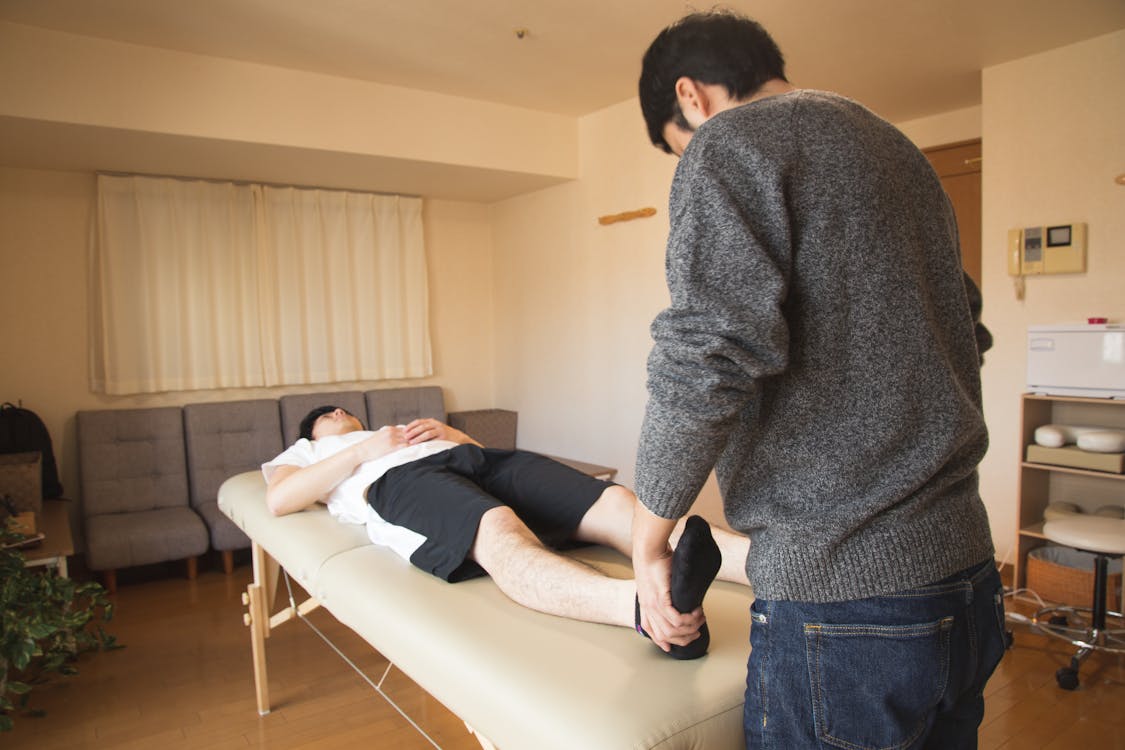
Specialized Tools and Adaptations: Many believe that effective physiotherapy requires large, specialized equipment available only in a clinic. However, rehabilitation may or may not utilize bulky equipment, regardless of location. For example, electrical stimulation machines are not suitable for patients with cardiac pacemakers, regardless of whether they attend physiotherapy in a clinic. The key is the individualized rehabilitation plan, which ensures that patients receive appropriate and safe treatment.
Personalized and Consistent Treatment: Home-based therapy offers a personalized approach tailored to the patient’s specific environment and daily routine. Patients spend most of their time at home, and home physiotherapy allows them to learn how to set up and exercise safely within their own space. Home physiotherapists also teach caregivers or helpers to assist patients with mobility training, ensuring that exercise is not limited to the clinic. This personalized and consistent treatment can lead to better outcomes due to the consistent and comfortable nature of home sessions.
Customized Exercise Plans: Regardless of whether therapy is at home or in a clinic, patients receive a customized list of exercises to perform at home on days they are not seeing the physiotherapist. This helps achieve rehabilitation goals, emphasizing that the core of the therapy is the individualized exercise plan rather than the equipment used.
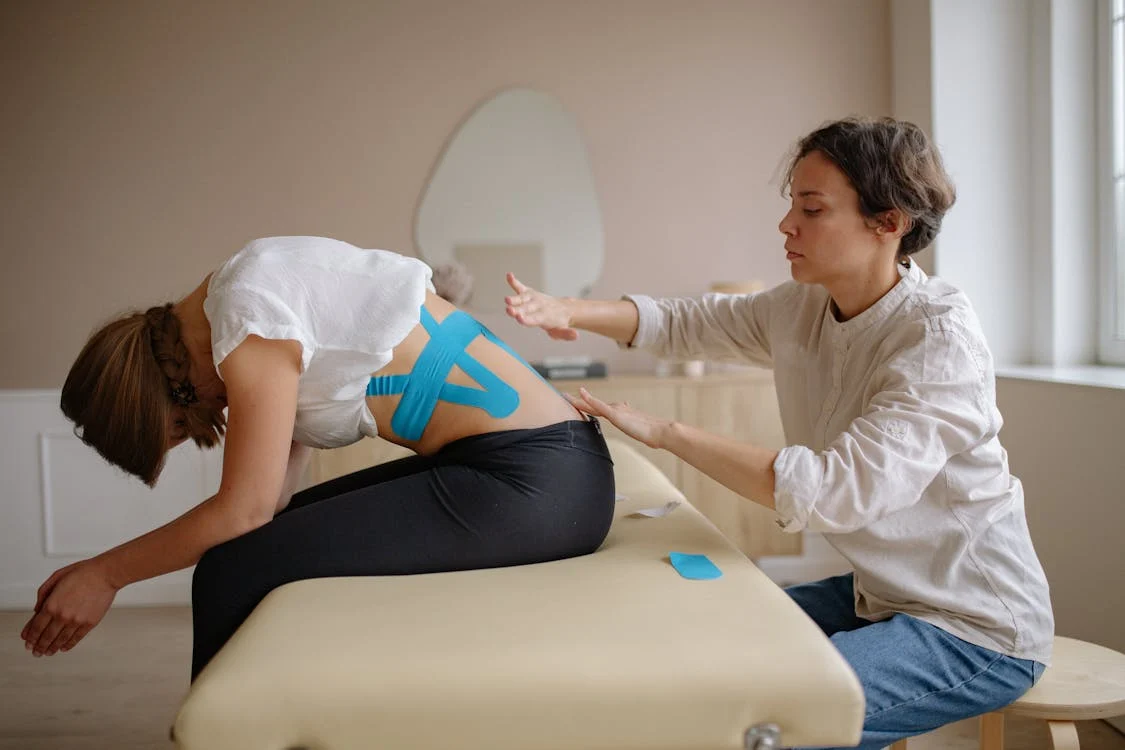
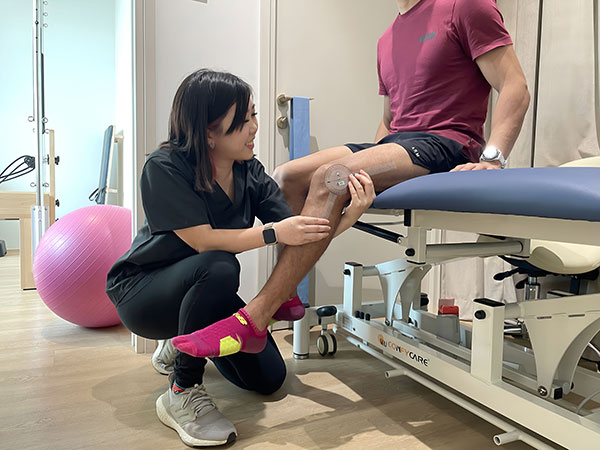
Diverse Patient Needs: Home physiotherapy is suitable for a variety of patients, including those recovering from surgeries, athletes with injuries, and individuals with chronic pain conditions. It can also accommodate pediatric patients, such as children with sports injuries like jumper’s knee. Recently, we successfully managed a case of jumper’s knee in a child within the home setting. This approach allowed the child to receive therapy without disrupting their school routine, tuition, or their parents’ work schedules, making it more convenient for the entire family.
Convenience and Accessibility: Home physiotherapy eliminates the hassle of frequent clinic visits, offering a convenient option for those who may have difficulty traveling or prefer the comfort of their own home.
Tailored Rehabilitation at Home: Each individual’s recovery journey is unique. Home physiotherapists customize rehabilitation programs to address specific conditions, such as postsurgery recovery, chronic pain management, or mobility improvement after an injury. Home sessions allow patients to learn how to set up and exercise safely in their own environment. This personalized approach accelerates recovery and enhances overall well-being by focusing on functional independence and quality of life.
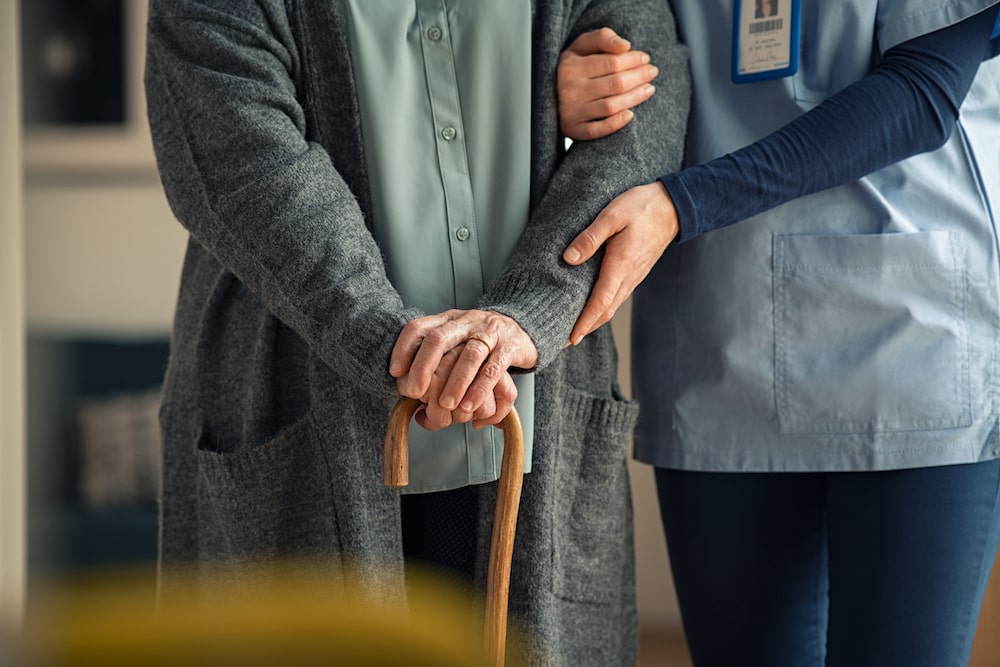
Caregiver Education and Support: Home physiotherapy sessions teach caregivers or helpers how to assist patients with mobility training, translating to increased volume and load of training. This ensures that walking and exercise are not limited to a clinic setting. Home physiotherapists can also assess environmental risks within the home, such as potential fall hazards, and recommend suitable equipment.