
As we age, staying mobile and independent becomes increasingly important. However, many misconceptions can hinder our ability to achieve these goals. Often, elderly individuals only start physiotherapy after a major fall, which is too late to prevent the suffering caused by muscle weakness and reduced mobility. Let’s explore and debunk four common myths about aging and mobility, and discover how proactive physiotherapy can make a significant difference.

Many people assume that normal aging means walking less or not walking at all, and remaining seated most of the time. This misconception can lead to a sedentary lifestyle, which negatively impacts health. However, aging does not have to look like this.
Consider the inspiring story of Mdm Sie, a 102-year-old woman featured in a CNA Lifestyle article. Mdm Sie helps manage her son’s provision shop because staying at home is “boring.” Despite her age, she is highly mobile, standing up to attend to customers and taking occasional breaks by sitting on a chair outside her store. Her son even remarked that she is healthier than him, highlighting that she rarely visits the hospital.
This example underscores the importance of finding an “ikigai” (a purpose), staying active, and maintaining mobility. Healthy aging is achievable and can result in good mobility, independence, and a pain-free life.
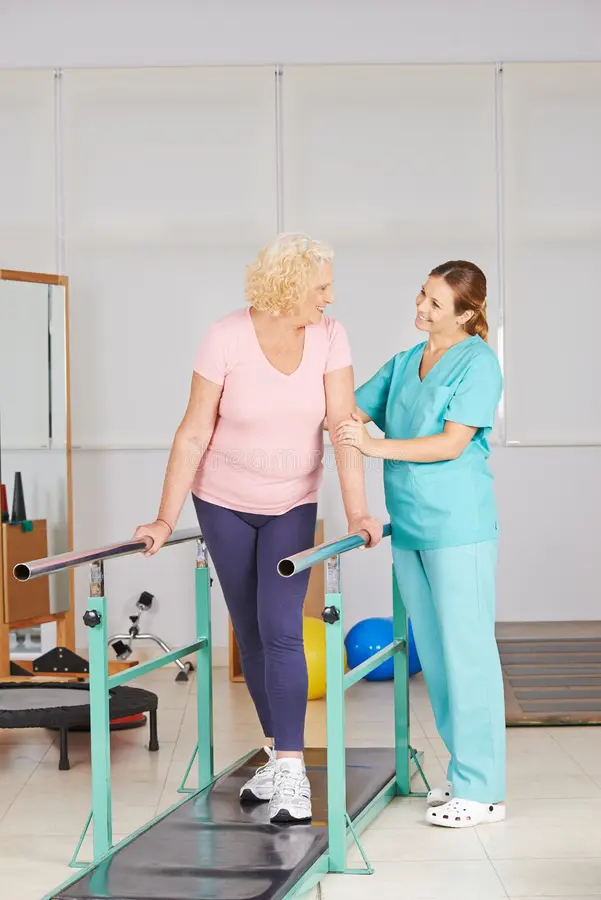
Many elderly individuals begin physiotherapy only after a serious fall, but muscle weakness and balance issues often precede such incidents. Early intervention with home physiotherapy can address these issues before they escalate, preventing falls and improving overall mobility.
Proactive physiotherapy is a cost-effective approach compared to reactive care. With an estimated cost of $200 per session, starting with 1 session per week and transitioning to bi-weekly maintenance, the annual cost for proactive physiotherapy can range from approximately $4,800 to $5,200. This investment in regular strengthening exercises is a fraction of the cost associated with reactive care.
Disclaimer: These costs are projected illustrations and may vary depending on the severity of the fall and the required treatment. Costs can also vary significantly between government and private healthcare provider.

The Straits Times highlights that many people today can expect to live well into their 100s, underscoring the importance of proactive health measures to ensure a high quality of life throughout these extended years (source). In Singapore, where half of today’s five-year-olds are projected to live to 100, the belief that investing in proactive physiotherapy is unnecessary because “the end is near” is a misconception. Many individuals in their 70s and 80s could still have 20-30 years ahead. Proactive physiotherapy is crucial for enhancing quality of life during these additional years, helping to prevent severe injuries and reducing the need for costly hospitalizations and support equipment.
For those without adequate insurance coverage, the financial burden of frequent hospitalizations and long-term care can be substantial. Falls and injuries often require extensive and prolonged treatment, adding financial and emotional stress to families. Regular physiotherapy helps maintain mobility and strength, mitigating these risks and improving overall well-being.
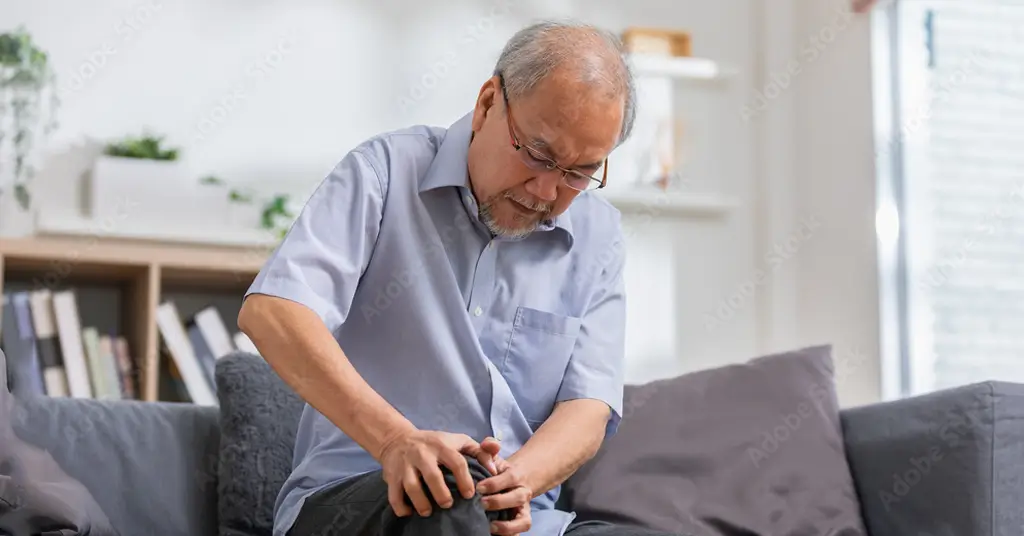
Chronic pain and discomfort among the elderly are often due to inactivity and muscle weakness rather than aging itself. However, regular physiotherapy sessions can alleviate pain by improving joint mobility, muscle strength, and overall physical function. This proactive approach reduces the likelihood of severe injuries and associated suffering.
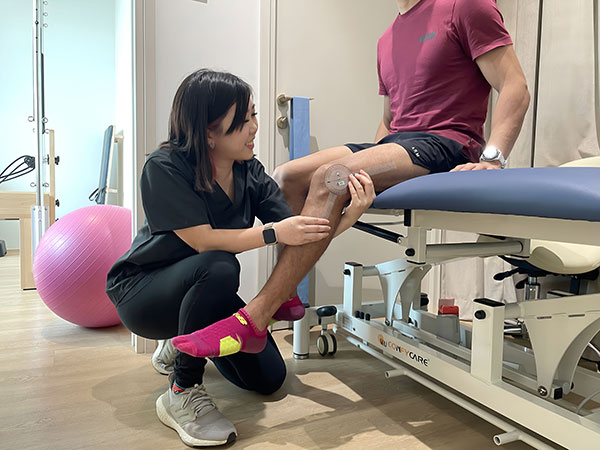
Home physiotherapy offers personalized care in a familiar environment. Physiotherapists can tailor exercises to the individual’s specific needs and assess the home for potential hazards. This customized approach enhances therapy effectiveness and ensures safety. Moreover, working with a physiotherapist who understands more than just fitness is crucial. They can adapt exercise regimens to align with any medical conditions and suggest further check-ups if needed.
At PhysioPathways, we believe that while you cannot control when you are born or when you will pass away, you can take control of your daily activities. Our goal is to help you work towards a pain-free life, maintaining independence and dignity in your daily living. Don’t wait for a fall to seek help—start your journey to better health and mobility with home physiotherapy today.
Investing in early physiotherapy intervention can transform lives, turning potential pain and suffering into strength and independence. Let’s work together to ensure that you or your loved ones can enjoy a higher quality of life, free from the fear of falls and the limitations of muscle weakness.
Feel free to share this post with anyone who might benefit from understanding the importance of early physiotherapy for the elderly. For more information, visit our website or contact us directly. Let’s take the first step towards a healthier, more independent life today.