
Have you ever wondered why your knee still feels wobbly even after ACL repair or reconstruction? Are you someone who has undergone ACL reconstruction more than once or even twice, diligently following all the rehab exercises, only to tear your ACL again? If this sounds familiar, there might be something crucial missing from your rehabilitation program. Let’s delve into why this happens and what you might want to consider for your rehab.
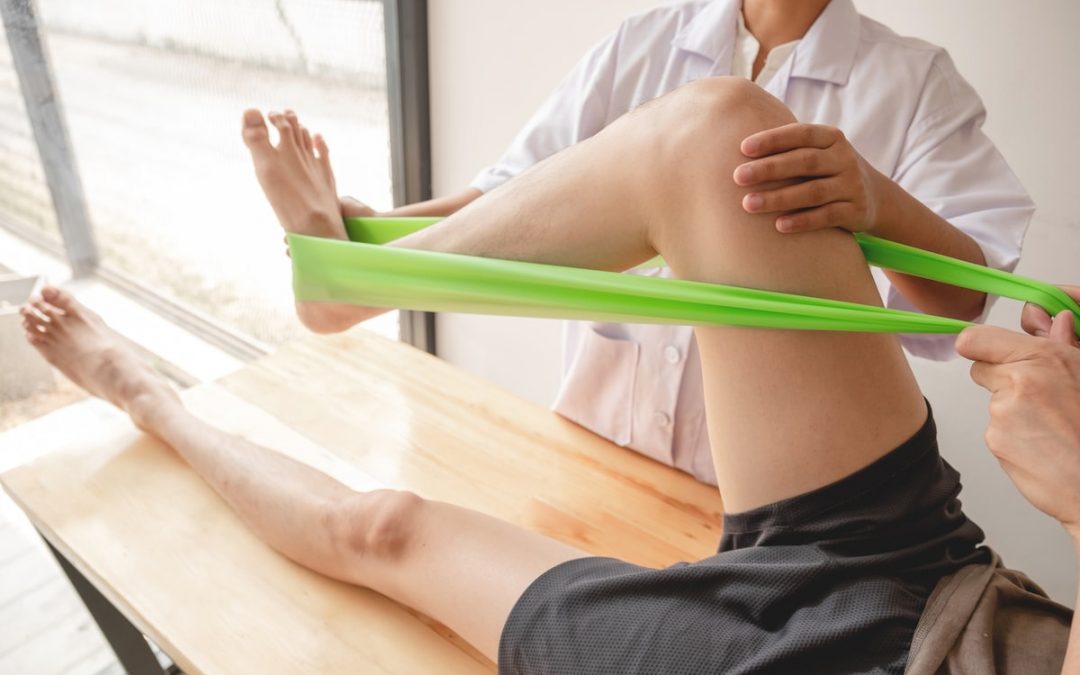
First, let’s introduce you to the concept of copers and non-copers:
You might have heard of athletes with complete ACL tears who return to sports seamlessly. The difference often lies in the neuromuscular system, which plays a critical role in managing the level of impairment or mobility issues following an ACL injury
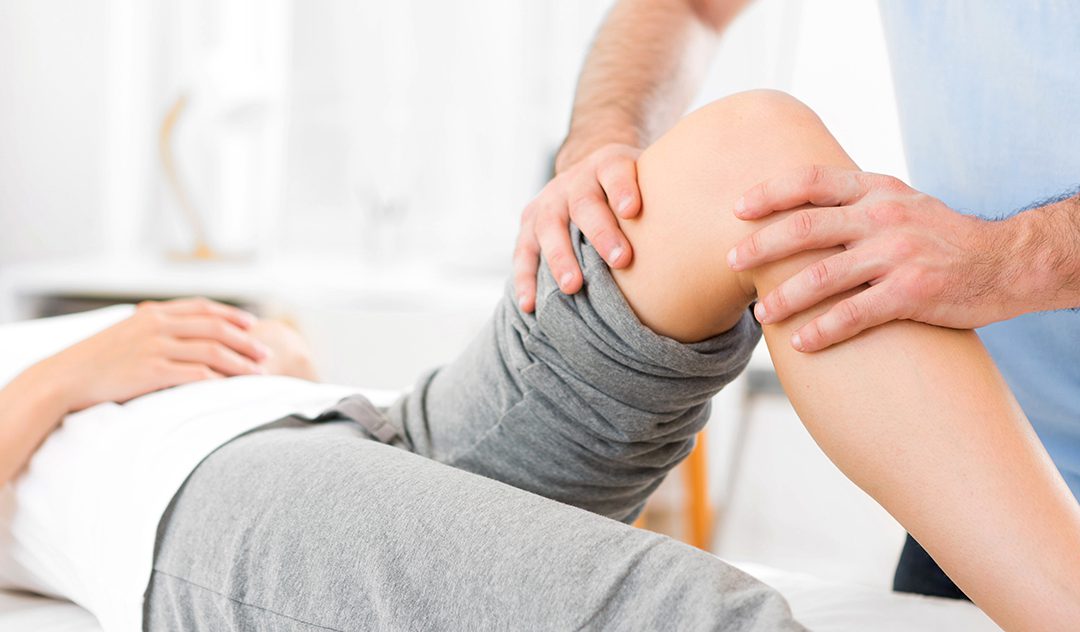
Our bodies are finely tuned to signal danger. For example, when you touch something sharp, you instinctively pull away. If a movement causes pain, your body prompts you to stop. This reflexive response is crucial for protecting your body from further harm. Similarly, after ACL reconstruction, if your knee feels unstable despite the structural repair and clear scans, it might be signaling an underlying issue.
Recent studies indicate that traditional clinical tests may not sufficiently predict knee function post-ACL injury. Instead, tests reflecting neuromuscular adaptations, like the timed hop test, are more effective in guiding patient management (SpringerLink). This suggests that despite diligent physical therapy and a structurally repaired ACL, persistent instability could be due to a lack of targeted neuromuscular training.
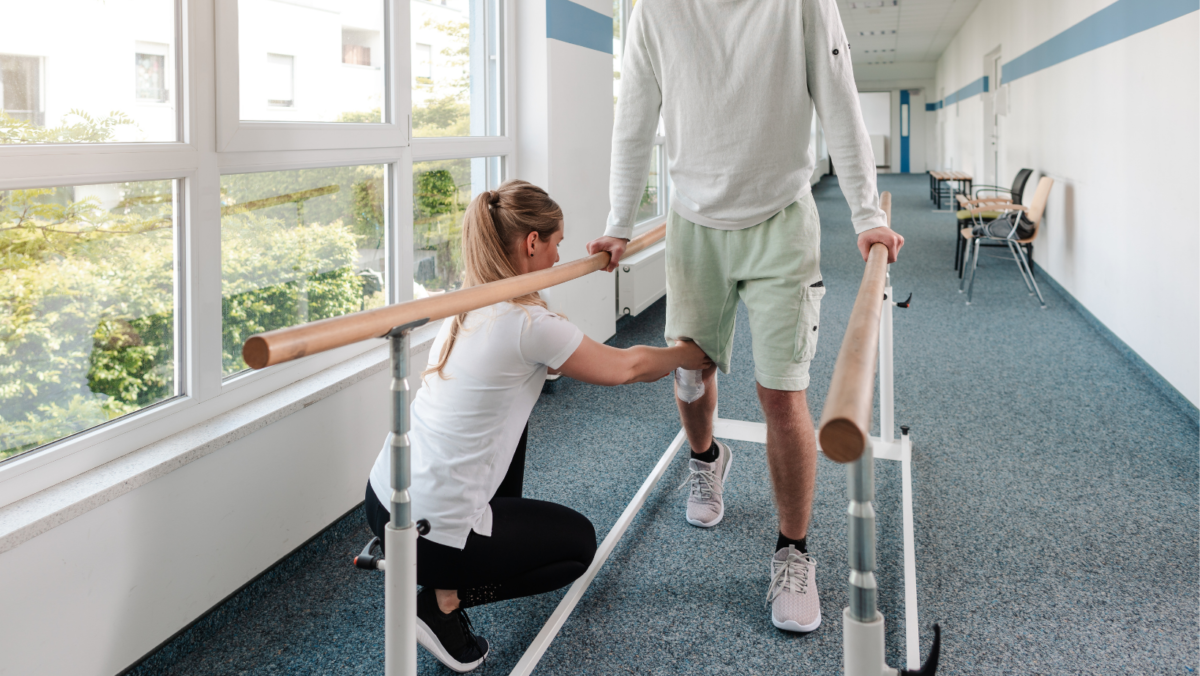
If your knee feels unstable despite structural repairs and diligent physical therapy, it might indicate a component of rehabilitation that you have not considered. Knee ligament injuries happen incredibly fast, within 50 milliseconds of initial contact during simulated landings (SpringerLink) . This rapid timeline is far quicker than our muscle responses can act to prevent injury. Muscle responses in knee ligament injury scenarios are insufficiently fast to prevent damage. While the ACL bears the brunt of uncontrolled load, it might not be the primary issue. Hence, surgical repairs do not completely resolve your risk of knee injuries even after the operation, especially if the latency in neural response continues.
Focusing solely on building muscle bulk, such as strengthening the quadriceps, may not fully address the complex needs of knee stability post-ACL reconstruction. To optimize recovery, it’s crucial to integrate neuromuscular training. This approach emphasizes how muscles work together as a cohesive system rather than in isolation
Neuromuscular training helps ensure that your muscles function effectively within the context of the entire body system. By focusing on how different muscle groups interact, this training enhances dynamic stability and coordination. This holistic approach supports proper alignment, balance, and functional movement, ultimately reducing the risk of re-injury
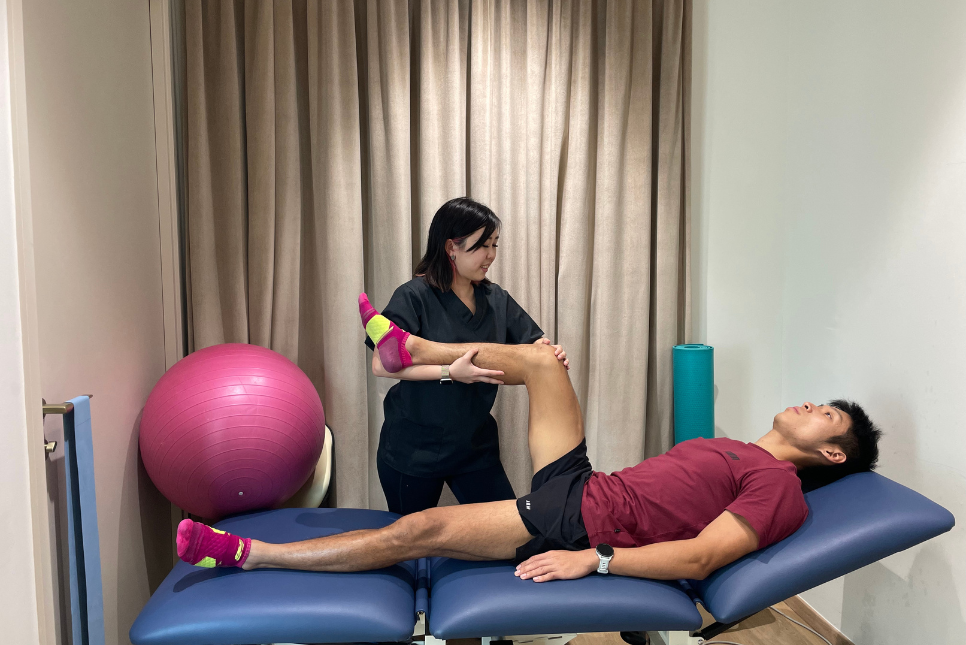
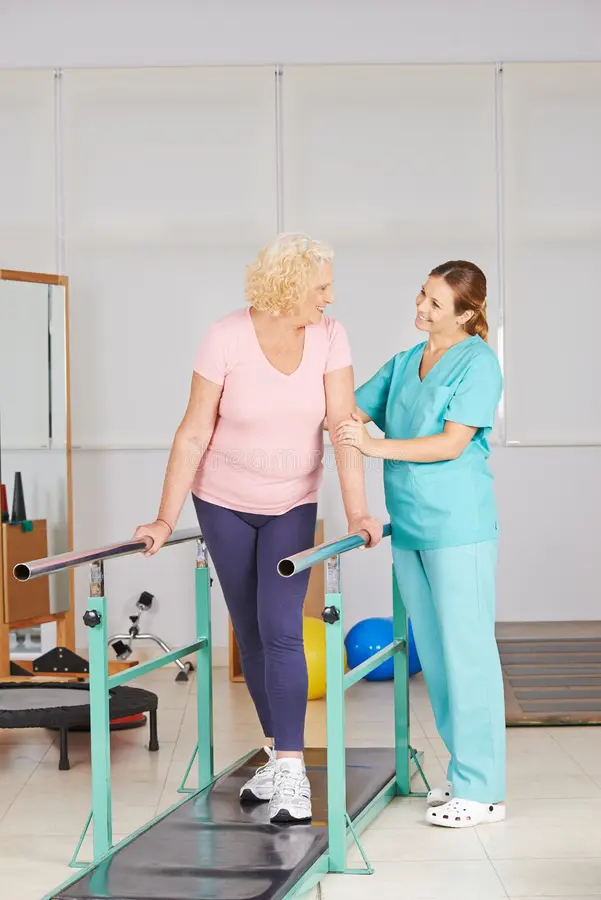
To address persistent knee instability, consider incorporating neuromuscular training into your rehab program. Seek physiotherapy experts who can assess, prescribe, and tailor your rehabilitation to include motor control training and movement-based perturbation training. This approach gradually exposes patients to destabilizing forces, allowing them to develop individualized stabilization strategies, which can significantly enhance knee stability and confidence
What are your thoughts on post-ACL rehabilitation? Have you experienced the benefits of advanced neuromuscular training, or do you have reservations? Join the conversation and share your insights in the comments below. Feel free to share this post with anyone who might benefit from understanding the importance of neuromuscular training post-ACL injury. For more information, visit our website or contact us directly. Let’s take the first step towards a healthier, more stable knee today.